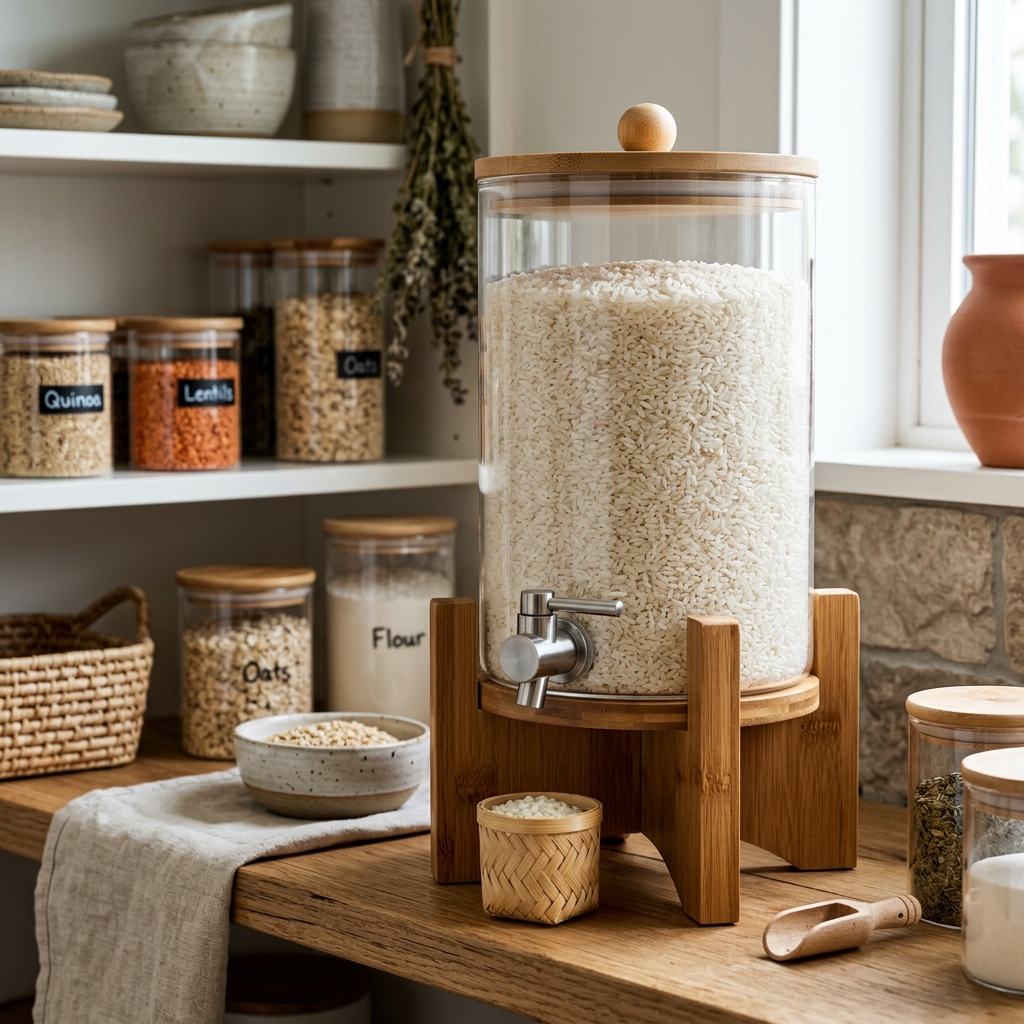

Quick Verdict: Borosilicate Glass vs Platinum Silicone Containers
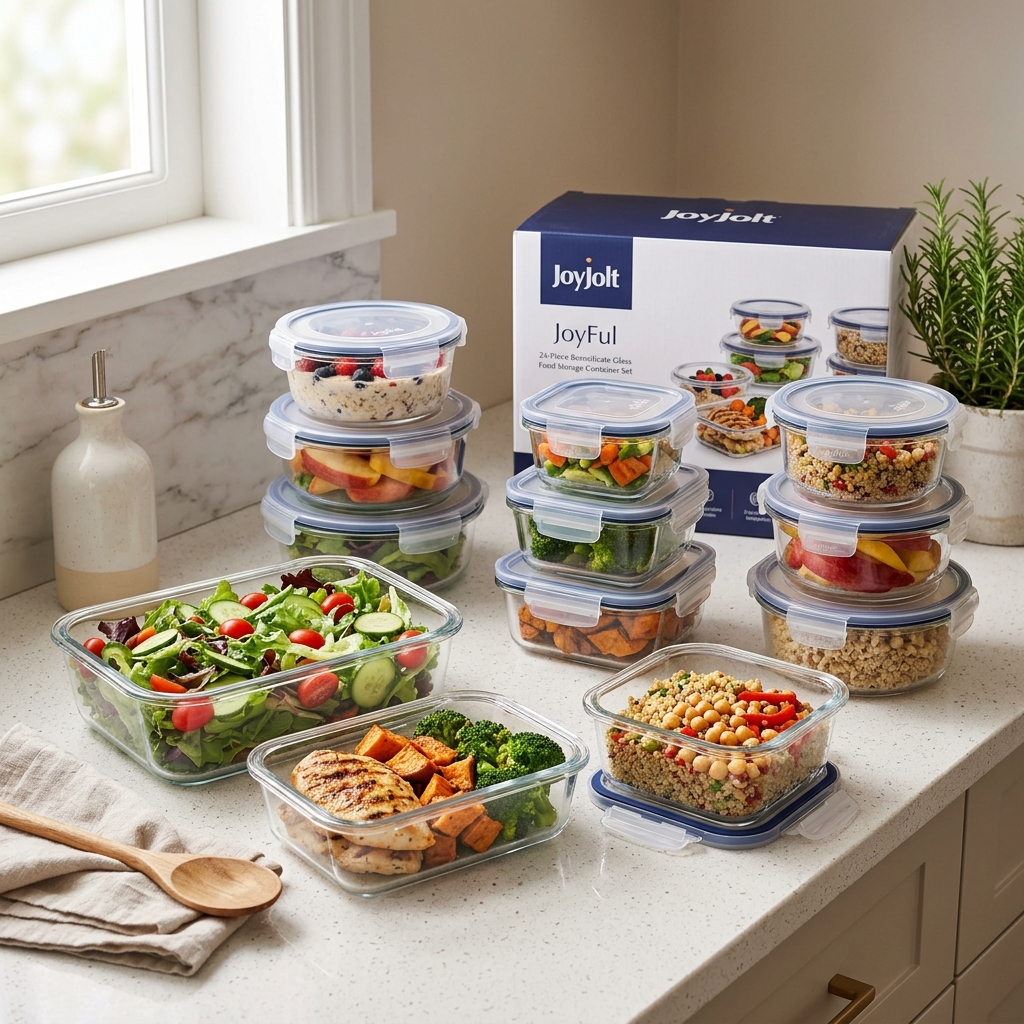
Borosilicate glass storage containers are better for liquid meal prep, high-heat oven reheating up to 1040°F, and 100% non-porous chemical purity with zero odor retention. Food-grade platinum silicone storage bags are better for freezer space efficiency, lightweight travel, and drop-proof durability without glass breakage risks.
Chemical Purity Audit: Inert Borosilicate Silica vs Platinum Silicone Polymer
Evaluating chemical inertness, high-borosilicate glass (composed of silica and boron trioxide) presents a completely non-porous molecular lattice that cannot leach phthalates, BPA, or microplastics into acidic tomato sauces or oily foods, even under 1000°F heat.
Platinum-cured silicone utilizes a noble metal catalyst to vulcanize synthetic siloxane polymers, eliminating chemical fillers or peroxide byproducts found in lower-grade food silicones while remaining 100% plastic-free.
Choose borosilicate glass if you prioritize 100% non-porous chemical neutrality and zero stain or odor absorption. Choose platinum silicone if you need flexible, shatterproof storage that replaces single-use plastic bags.
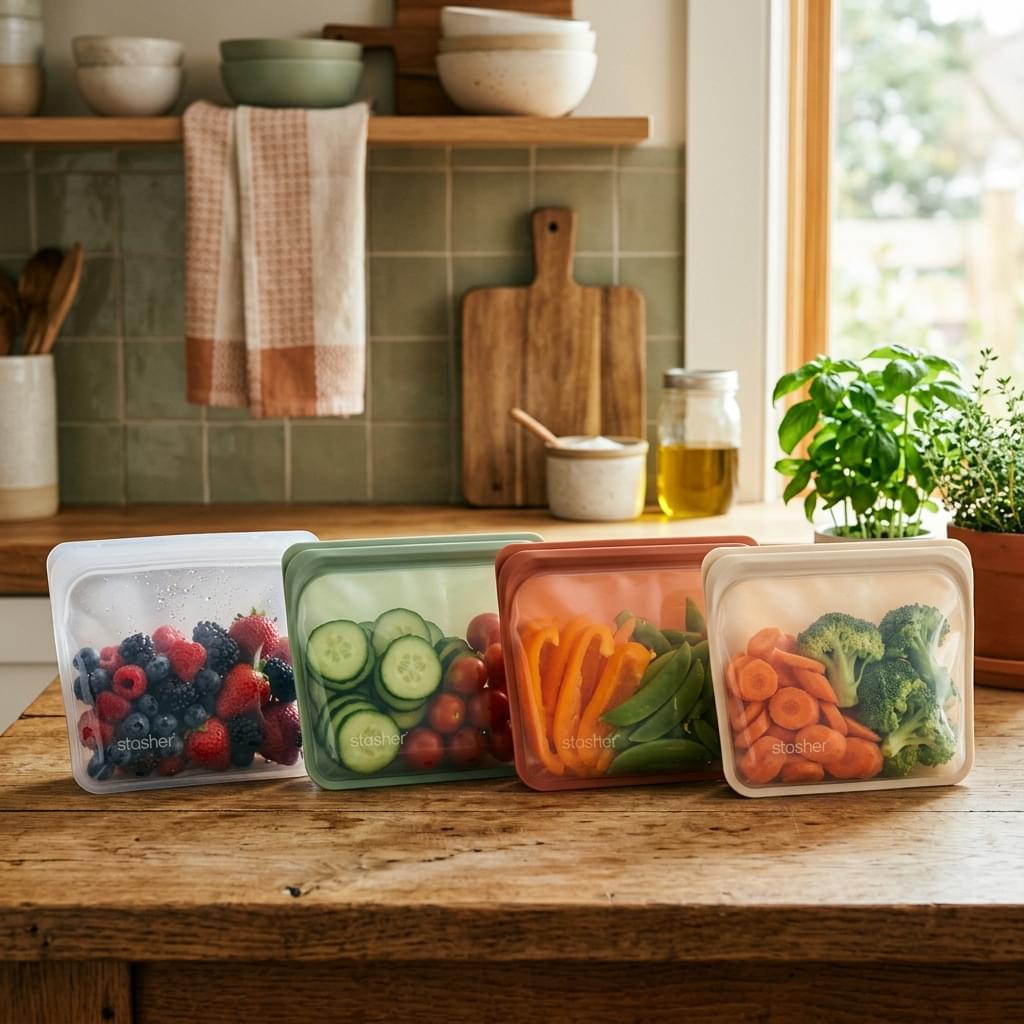
The endlessly reusable alternative to single-use plastic bags. Made from pure platinum silicone, these are safe for the freezer, microwave, and dishwasher.
Pro tip: Add to Cart on Amazon to secure today's sale price!
Thermal Performance: 1040°F Oven Stability vs 425°F Thermal Ceiling
Thermal thresholds determine kitchen versatility: Borosilicate glass features a ultra-low coefficient of thermal expansion (3.3 x 10^-6 /K), making it immune to thermal shock when transitioning directly from freezer storage to a preheated 1040°F oven.
Platinum silicone handles extreme temperature swings from -58°F freezer freezing to 425°F oven roasting or sous-vide water bath cooking, though prolonged exposure above 450°F can cause polymer degradation.
Daily Kitchen Utility: Rigid Nesting vs Flexible Space Optimization
Daily storage considerations separate the two materials: Rigid borosilicate glass containers provide crystal-clear visual clarity for fridge scannability and snap-tight lid seals for soup storage, but require dedicated cabinet shelf height.
Flexible platinum silicone bags compress flat when empty to save up to 80% drawer space and seal via press-lock tracks, but require drying racks after dishwasher washing to prevent internal moisture pooling.
Who Is This NOT For?
Skip borosilicate glass containers if you pack lunches in heavy backpacks where vessel weight or impact breakage is a primary risk factor.
Avoid silicone storage bags if you frequently store liquid-heavy soups upright in crowded fridge shelves without rigid sidewall support.
Expert Answers & Material Science Q&A
Can borosilicate glass containers go straight from the freezer to the oven?
Yes, borosilicate glass features low thermal expansion that resists thermal shock between freezer temperatures and oven heat up to 1040°F.
Does platinum silicone leach microplastics when microwaved?
No, platinum-cured food-grade silicone contains zero plastics, phthalates, or chemical fillers, making it safe for microwave and sous-vide heating.
How do you remove stubborn odor or oil residue from silicone bags?
Bake clean silicone bags in an oven at 350°F for 20 minutes or soak in a baking soda paste to strip absorbed food oils and odors.
Are plastic snap lids safe for hot glass container storage?
Remove plastic snap-lock lids before oven or microwave heating, or use silicone lids, as polypropylene lids melt above 250°F.