
Quick Verdict: PTFE vs Ceramic Off-Gassing Audit
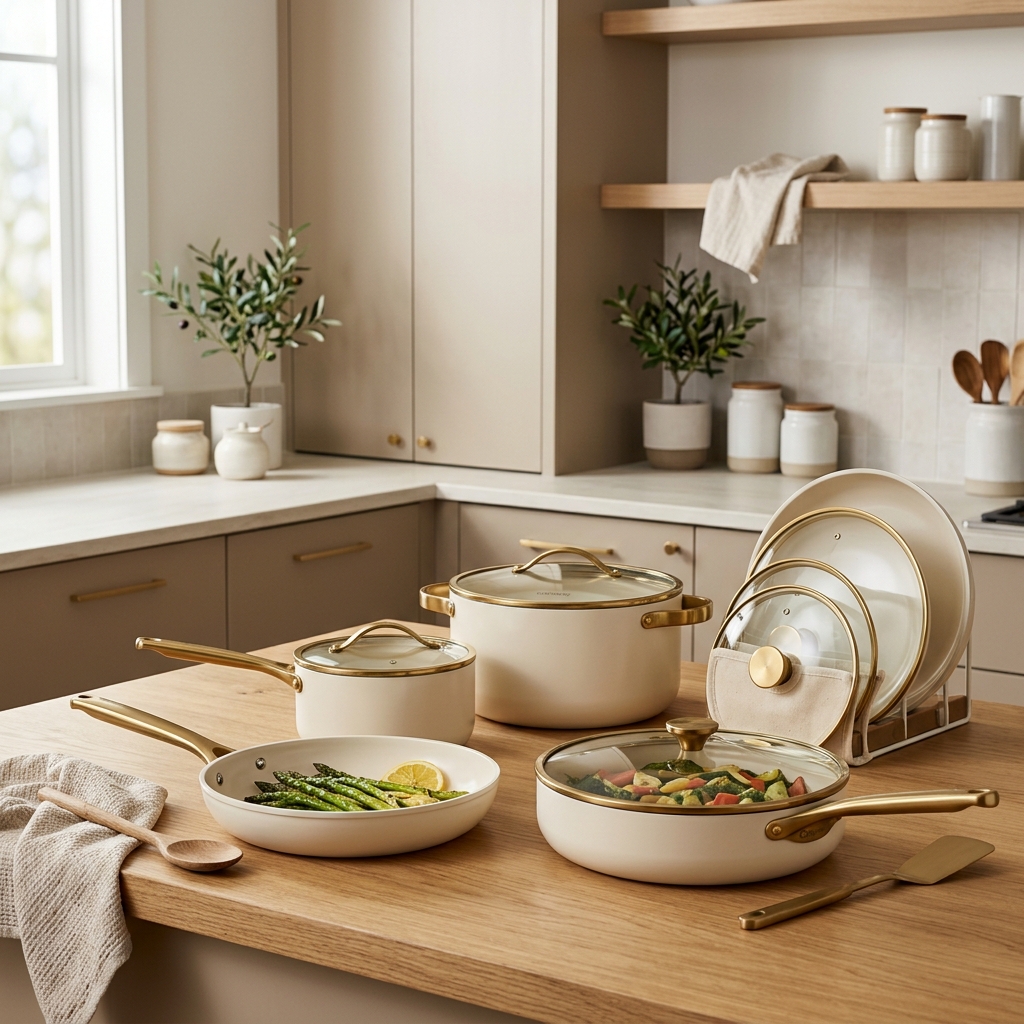
Switch to mineral ceramic cookware to stop chemical fume hazards. Traditional Teflon (PTFE) cookware breaks down at 500°F and releases toxic fumes into your kitchen, whereas mineral ceramic pans like Caraway stay 100% stable and fume-free up to 550°F.
Thermal Breakdown Metallurgy: PTFE Pyrolysis vs Ceramic Sol-Gel Stability
Understanding chemical degradation under kitchen thermal strain separates synthetic fluoropolymers from inorganic ceramics.
PTFE coatings rely on carbon-fluorine atomic bonds. When an empty skillet on a gas burner reaches 500°F within two minutes, those synthetic fluoropolymer bonds break down via thermal pyrolysis.
Sol-gel mineral ceramics bond silica sand particles into an inorganic glass matrix. Because ceramic coatings contain no carbon-fluorine bonds, heating ceramic cookware to 550°F results in zero vaporized chemical emissions.
For a deeper breakdown of mineral coating chemistry, read our Ceramic, Granite & Stone Cookware Guide.
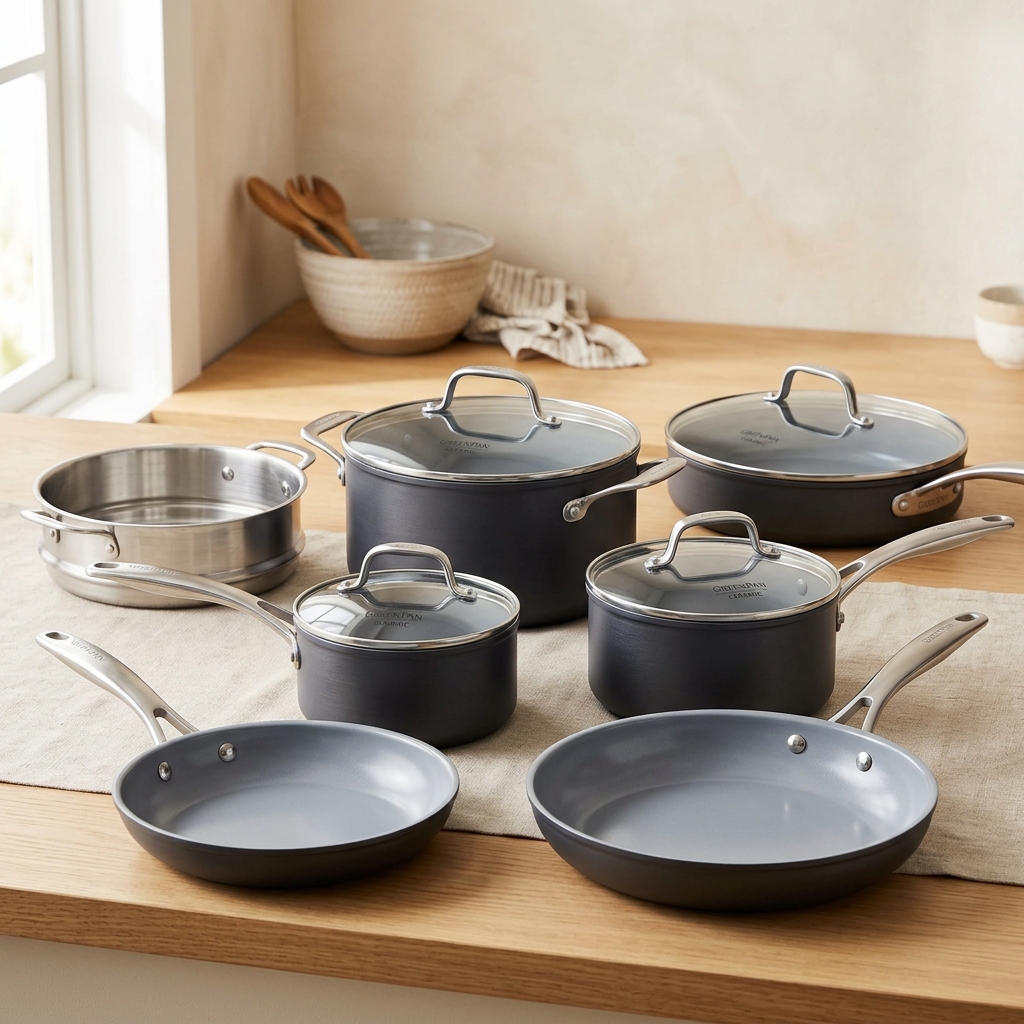
GreenPan's flagship Valencia Pro set features Thermolon minerals derived from sand. Free from PFAS, PFOA, lead, and cadmium, it will never release toxic fumes, even if accidentally overheated up to 600°F.
Pro tip: Add to Cart on Amazon to secure today's sale price!
Airborne Vapor Risks: Polymer Fume Fever vs Clean Air Kitchens
Inhaling pyrolyzed fluoropolymer vapors triggers flu-like respiratory symptoms known medically as polymer fume fever or Teflon flu.
Air quality monitors show that overheated PTFE pans release ultrafine fluorinated aerosol particles that linger in enclosed indoor air.
Mineral ceramic cookware provides absolute peace of mind for sensitive households, pets, and avian companion animals that are exceptionally vulnerable to airborne fluoropolymer toxins.
Longevity Benchmarks: Synthetic Coating Scratching vs Ceramic Slickness
While mineral ceramics eliminate off-gassing hazards, thermal management dictates overall nonstick release longevity.
PTFE coatings degrade rapidly when scratched by metal utensils, exposing underlying raw aluminum to acidic foods.
Ceramic glazes resist high-heat oxidation, but maintaining peak slickness requires avoiding abrasive scouring pads and keeping burner temperatures at medium heat settings.
To compare long-term release durability between top mineral brands, see our head-to-head GreenPan Valencia vs Caraway Test.
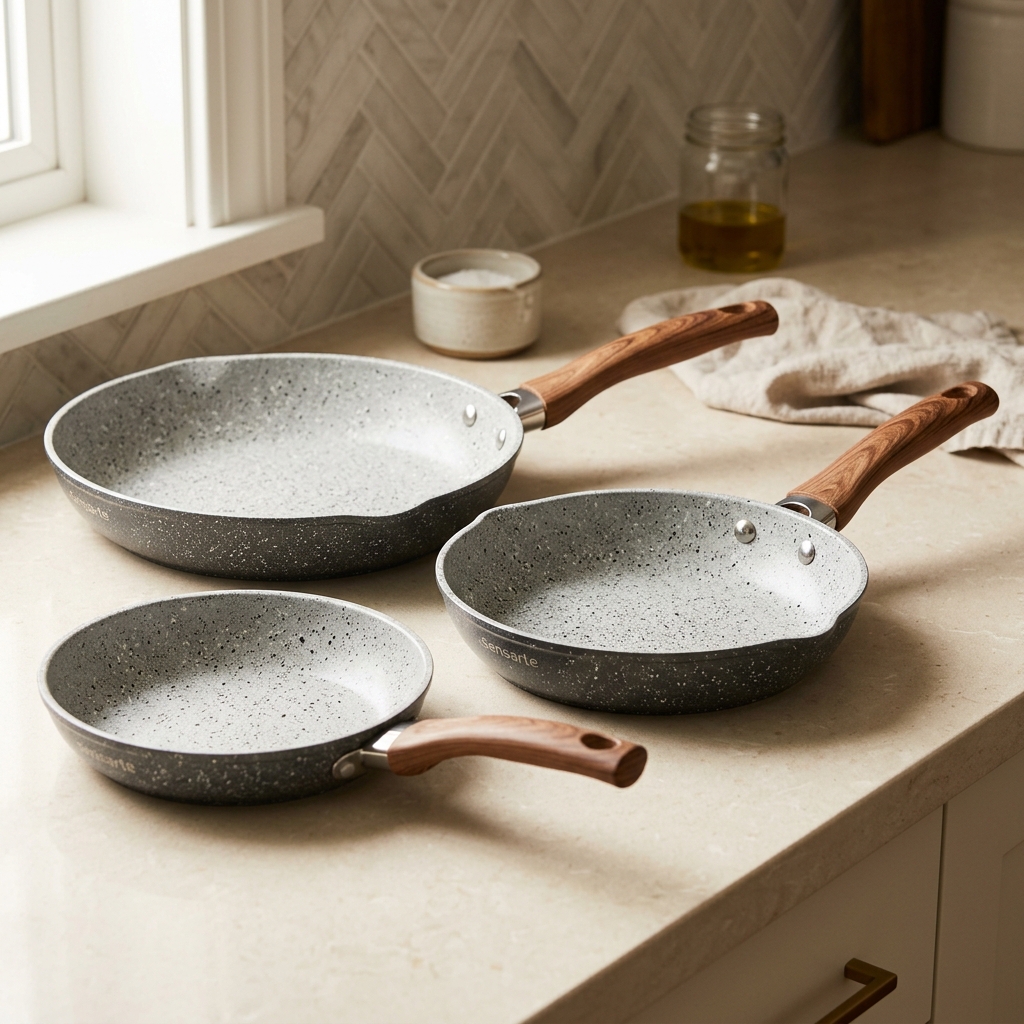
Sensarte's top-rated skillet set features an imported Swiss mineral granite coating. 100% PFOA and PFAS-free, it delivers effortless non-stick release for morning eggs and searing meats without heavy oils.
Pro tip: Add to Cart on Amazon to secure today's sale price!
Who Is This NOT For?
Skip mineral ceramic cookware if you cook exclusively with high-heat wok searing techniques above 600°F that require unseasoned raw carbon steel or heavy cast iron.
Avoid ceramic nonstick pans if you insist on using metal turners or automatic dishwasher cycles with harsh caustic detergent salts.
For high-temperature oven baking and roasting alternatives, explore our non-toxic bakeware test on Caraway Bakeware vs Silpat Baking Sheet.
Expert Answers & Material Science Q&A
At what temperature does PTFE (Teflon) start off-gassing toxic fumes?
PTFE coatings begin pyrolytic thermal breakdown at 500°F (260°C), releasing fluorinated vapors and particulate aerosols into indoor air.
Can ceramic cookware off-gas toxic chemical fumes when overheated?
No, sol-gel ceramic cookware is crafted from inorganic silica sand minerals free of PFAS, PTFE, PFOA, lead, and cadmium, ensuring zero off-gassing fumes up to 550°F.
What are the health symptoms of polymer fume fever?
Inhaling overheated fluoropolymer fumes causes flu-like symptoms including fever, chills, chest tightness, headache, and coughing.
Why are PTFE fumes particularly dangerous to pet birds?
Birds have sensitive respiratory systems, and microscopic airborne fluorinated pyrolysis particles cause fatal avian pulmonary edema within minutes.


