
Quick Verdict: Glass vs Plastic Food Storage
Glass is decisively safer than plastic for food storage, completely eliminating chemical leaching, microplastic shedding, and phthalate migration into hot foods. Reheating meals in plastic accelerates polymer breakdown by up to 55 times, making non-porous borosilicate glass and platinum silicone essential non-toxic swaps.
Microwave Reheating Science: Polymer Breakdown & Microplastic Shedding
When polypropylene (PP #5) and soft plastic Tupperware containers are microwaved, localized thermal hotspots exceed the polymer crystalline melting threshold.
Laboratory spectroscopy reveals that a single two-minute microwave reheat can release over two billion nanoplastic particles per square centimeter directly into hot food.
These microscopic particles cross cellular barriers and enter bloodstream circulation, making high-temperature plastic heating one of the primary sources of household microplastic ingestion.
To learn how thermal stress affects synthetic coatings and containers, see our PTFE vs Ceramic Off-Gassing Audit.
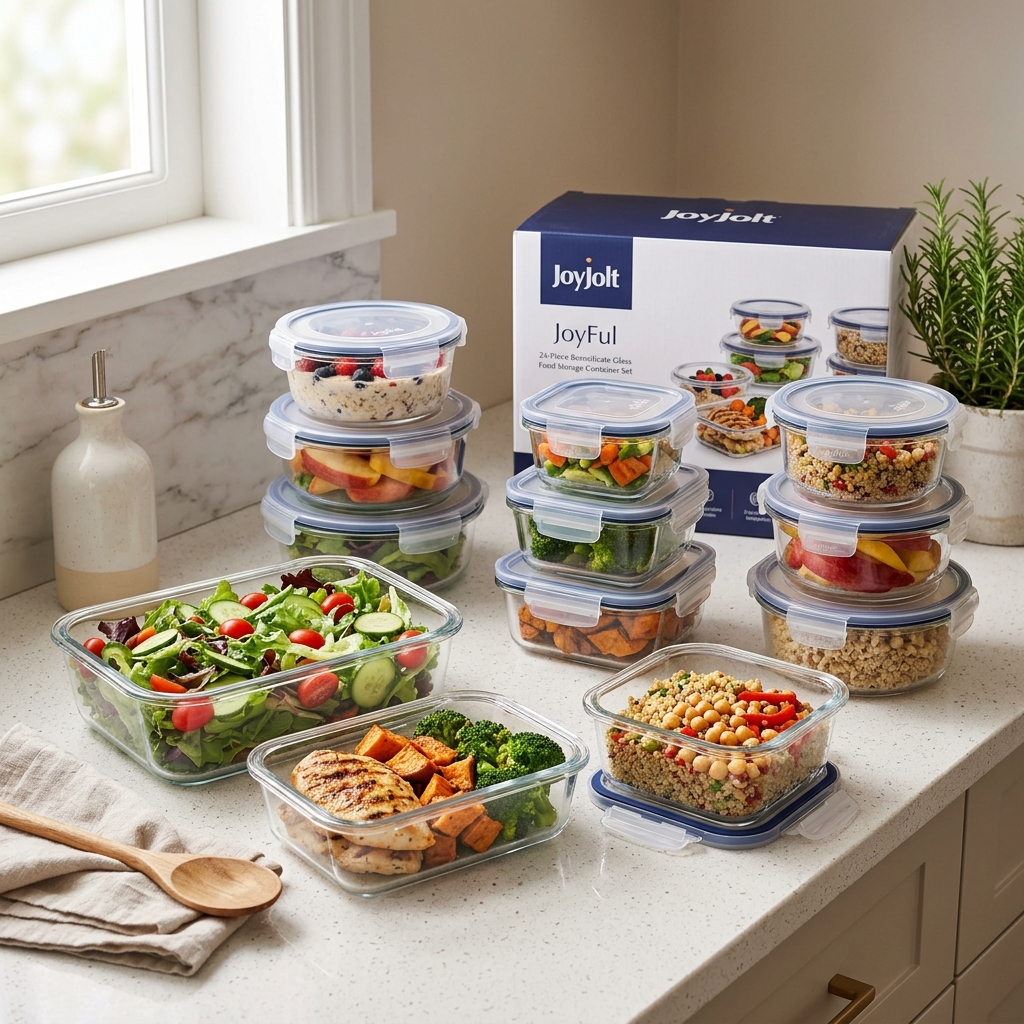
Replace plastic Tupperware with ultra-durable borosilicate glass. JoyJolt JoyFul containers withstand extreme temperatures from oven to freezer without leaching microplastics or chemicals into meal prep.
Pro tip: Add to Cart on Amazon to secure today's sale price!
Endocrine Disruptors: The Truth About BPA-Free Labels & Lipid Leaching
Many commercial containers advertised as BPA-free simply substitute structural analogues such as BPS and BPF, which exhibit similar estrogen-mimicking activity.
Furthermore, lipophilic dietary fats like olive oil, butter, and melted cheese act as organic solvents, extracting plasticizers and phthalates even at ambient room temperature.
Borosilicate glass is 100% chemically inert, completely free of plasticizers, heavy metals, and synthetic additives.
To explore our full testing on glass thermal safety and crystal purity, read our Borosilicate vs Soda-Lime Glass Safety Guide and our JoyJolt JoyFul Teardown Review.
Hygiene & Longevity: Micro-Scratches, Rancid Oils & Odor Retention
Soft plastic containers easily develop micro-scratches from forks, knives, and scrub sponges during routine kitchen use.
These microscopic fissures trap food grease and harbor bacterial biofilms that resist standard dishwasher cleaning cycles, leading to permanent staining and stale food odors.
In contrast, non-porous quartz silica glass maintains a perfectly smooth crystalline plane that sanitizes completely in high-heat dishwashers.
For flexible airtight food storage that replaces disposable plastic bags without plasticizers, pair your glass setup with pure platinum silicone bags from our Borosilicate Glass vs Platinum Silicone Guide.
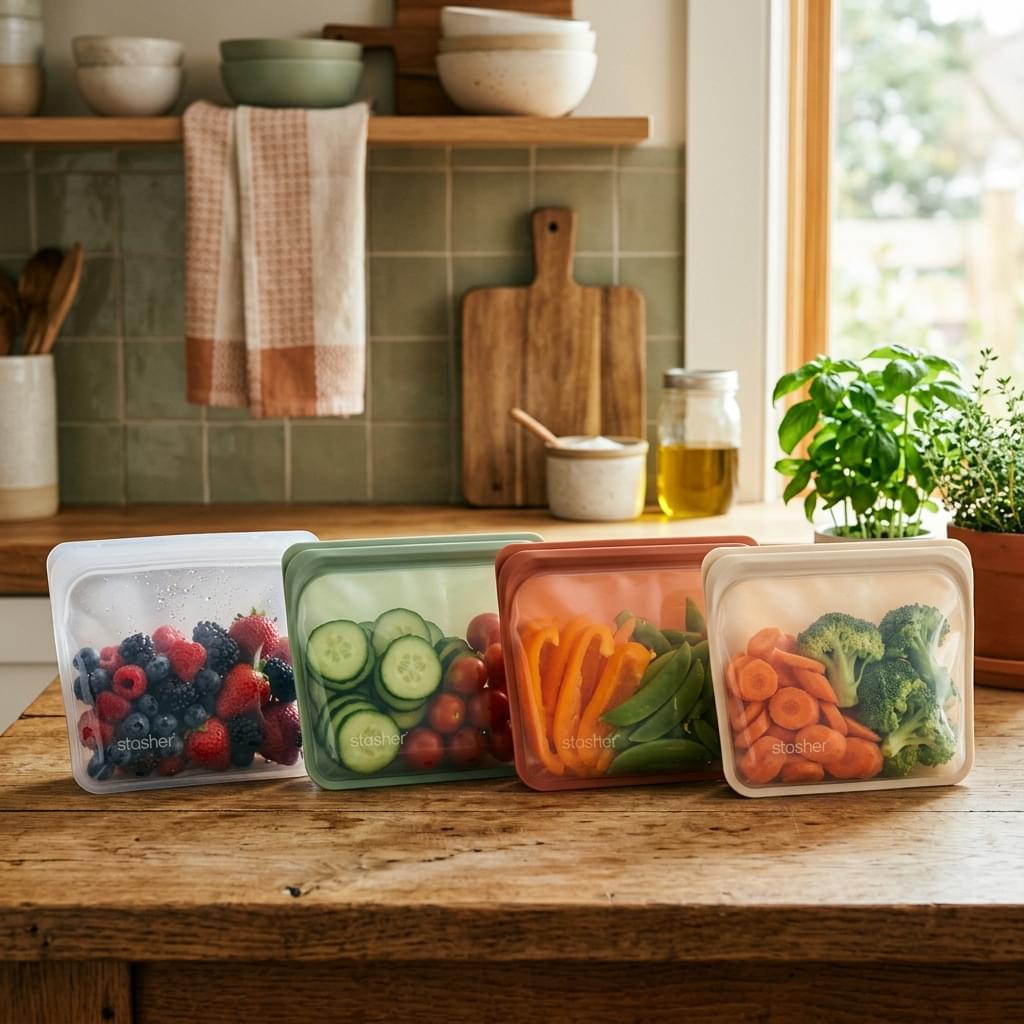
The endlessly reusable alternative to single-use plastic bags. Made from pure platinum silicone, these are safe for the freezer, microwave, and dishwasher.
Pro tip: Add to Cart on Amazon to secure today's sale price!
The Zero-Plastic Transition: Prioritizing Your Kitchen Swaps
Transitioning away from plastic does not require throwing away every container overnight.
Step 1: Replace containers used for hot meal reheating and acidic leftovers with 1040°F oven-safe borosilicate dishes, as reviewed in our Best Glass Meal Prep Containers Guide.
Step 2: Transfer bulk dry goods like rice and oats into pest-proof gravity dispensers, following our Glass Rice Dispenser with Bamboo Stand Setup Guide.
Step 3: Eliminate plastic wrap by establishing a structured meal routine with our Plastic-Free Sunday Meal Prep Workflow Guide.
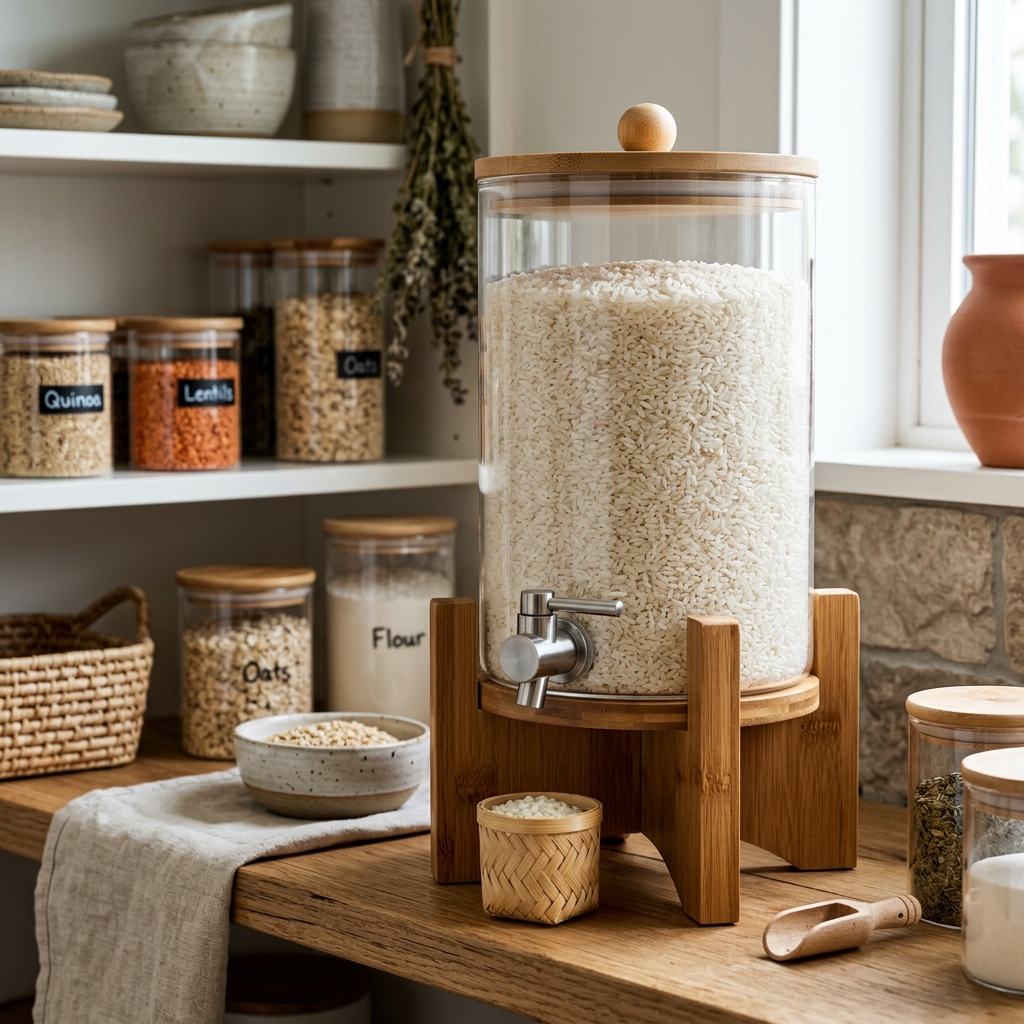
Elevate your open pantry with a heavy-duty borosilicate glass grain dispenser. Features an airtight bamboo lid, solid wooden stand, and bottom stainless steel release valve for easy dispensing of rice, oats, or beans.
Pro tip: Add to Cart on Amazon to secure today's sale price!
Who Is This NOT For?
Skip rigid glass food containers if you need ultralight drop-proof gear for toddler daycare, camping, or mobile backpacking.
For compact nesting cookware and portable food solutions, explore our Best Space-Saving Cookware Sets Guide and our Best Budget Non-Toxic Cookware Sets Under $100 Guide.
Expert Answers & Material Science Q&A
Is it truly safe to microwave food in containers labeled 'Microwave Safe'?
The 'Microwave Safe' label only means the plastic container will not melt or deform; it does not guarantee that microplastics or chemical plasticizers will not leach into hot food.
What chemicals leach from plastic containers into warm food?
Common migrants include bisphenol analogues (BPA, BPS), phthalate plasticizers, and non-intentionally added substances (NIAS) that act as hormone disruptors.
How do you transition a kitchen to zero plastic affordably?
Start by replacing containers used for reheating hot food and storing acidic liquids with a multi-piece borosilicate set, keeping old plastic only for cold dry storage.
Do borosilicate glass food containers contain heavy metals or lead?
No, high-purity borosilicate glass is manufactured from natural silica sand, boron trioxide, soda ash, and alumina, containing 0% lead, cadmium, or toxic additives.


