
Quick Verdict: Restoring Ceramic Nonstick Pans
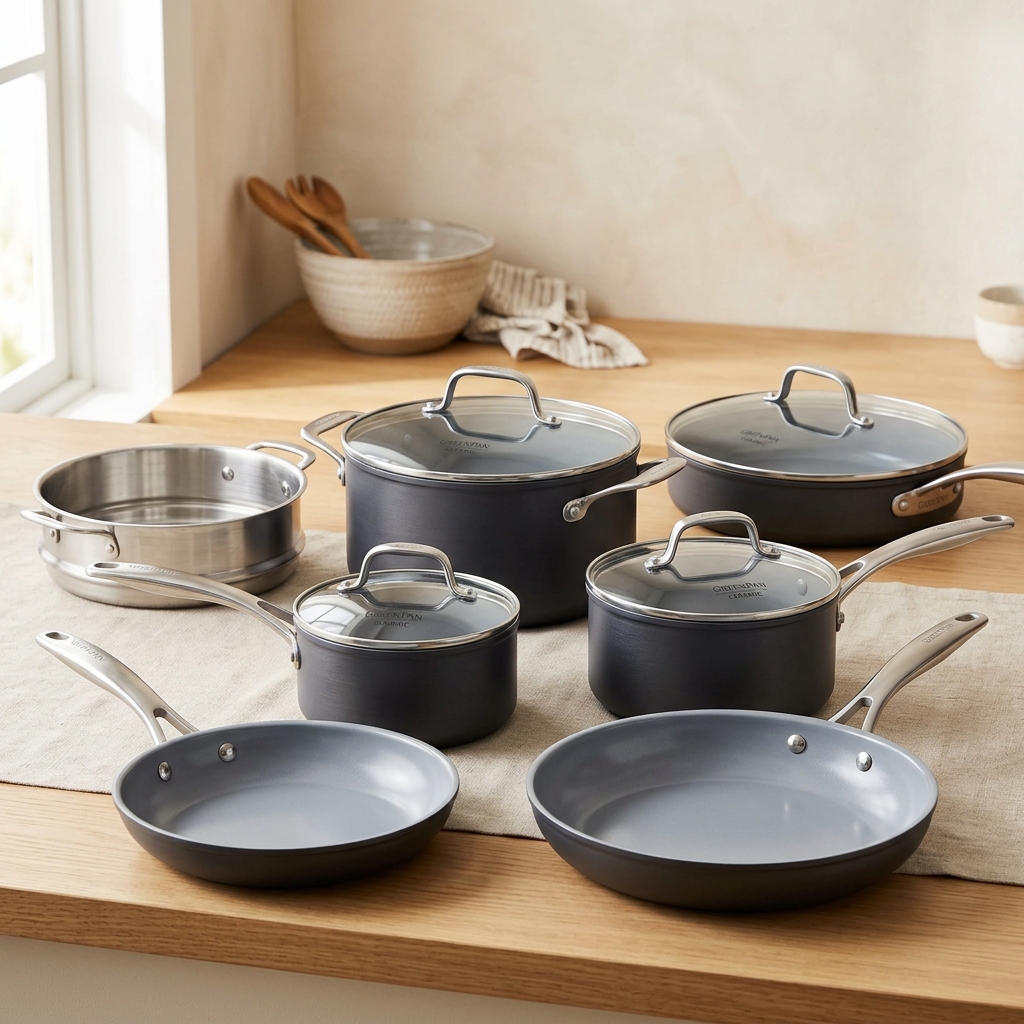
Loss of ceramic nonstick release is caused by polymerized burnt oil residue clogging microscopic pores in the mineral silica glaze, not chemical breakdown of the coating itself. Gently simmering a mixture of water and baking soda for 10 minutes, followed by a soft microfiber scrub, dissolves microscopic carbonized oil buildup and restores original slick food release.
The Science of Sticking: Microscopic Carbon Clogging vs Glaze Damage
Understanding why ceramic pans lose nonstick slickness over time prevents premature disposal.
Unlike PTFE coatings that peel when overheated, mineral ceramic glazes feature microscopic silica pores. Cooking with high-heat aerosol oils causes fats to polymerize inside these microscopic pores, creating a sticky amber carbon residue layer.
Removing this carbonized grease layer clears the mineral surface, instantly renewing nonstick slickness without stripping the safe ceramic glaze.
To understand how excessive oven heat and thermal shock cause permanent physical crazing versus removable grease buildup, read our Ceramic Cookware Thermal Degradation Test.
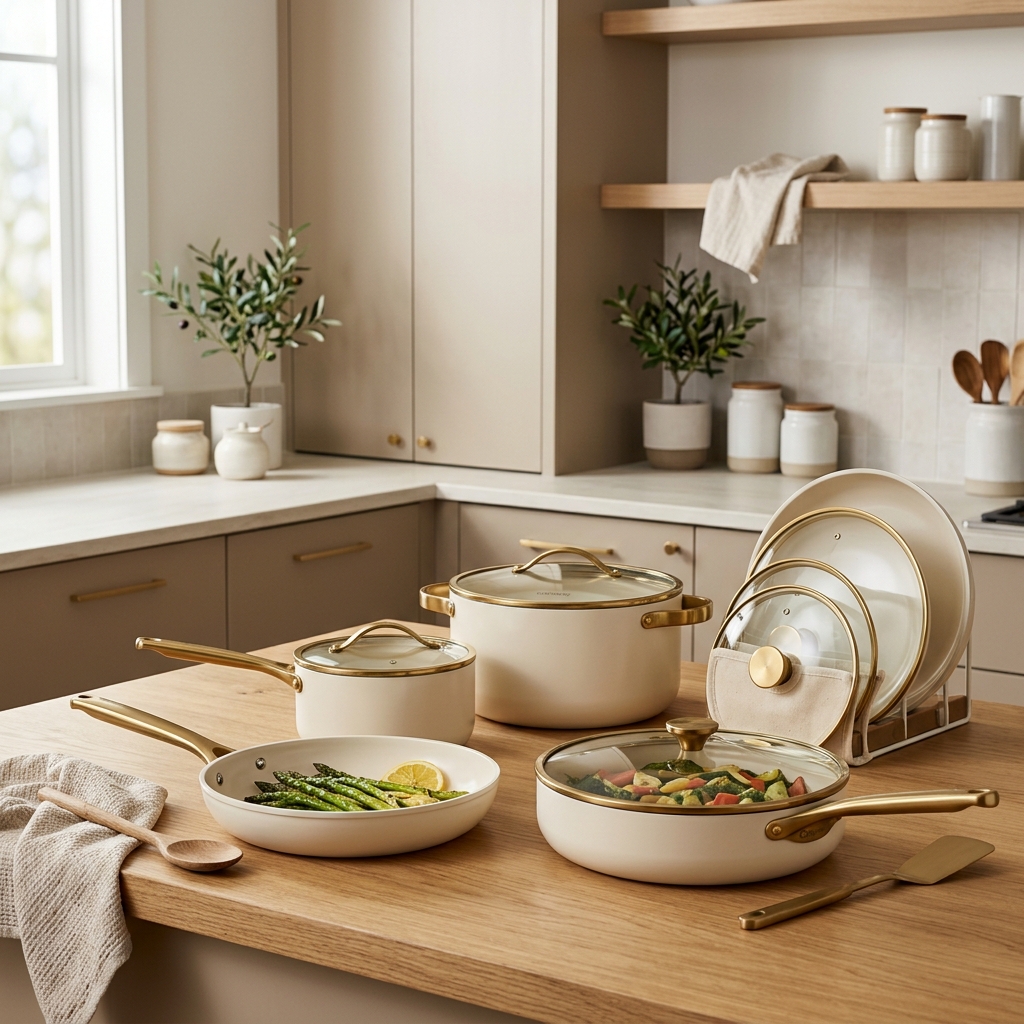
The gold standard for modern aesthetic non-toxic cooking. Caraway's 12-piece ceramic cookware set is engineered with an eco-friendly mineral coating completely free of PFAS, PTFE, PFOA, lead, and heavy metals.
Pro tip: Add to Cart on Amazon to secure today's sale price!
Step-by-Step Thermal Cleaning: The Baking Soda & Vinegar Simmer Protocol
Follow this safe 4-step restoration method to clean burnt oil without abrasive damage:
1. Fill the ceramic pan with 2 inches of water and add 2 tablespoons of food-grade baking soda.
2. Simmer on medium heat for 10 to 12 minutes to loosen burnt carbonized fats.
3. Remove from heat, allow the pan to cool to room temperature, and scrub gently using a non-abrasive melamine foam sponge or soft microfiber cloth.
4. Rinse thoroughly with warm water, dry completely, and rub 1/4 teaspoon of avocado oil across the clean mineral glaze to re-condition silica pores.
Preventative Care: Oils to Avoid and Thermal Shock Rules
Protecting your restored ceramic cookware requires eliminating destructive cooking habits.
Avoid commercial aerosol cooking sprays containing chemical propellants and lecithin, which bake onto ceramic surfaces at low temperatures.
Never submerge a hot ceramic pan into cold sink water. Extreme thermal shock causes micro-cracking in silica mineral glazes, permanently compromising smooth release.
For a full safety audit on chemical aerosol propellants versus sol-gel quartz glazes, see our PTFE vs Ceramic Off-Gassing Audit.
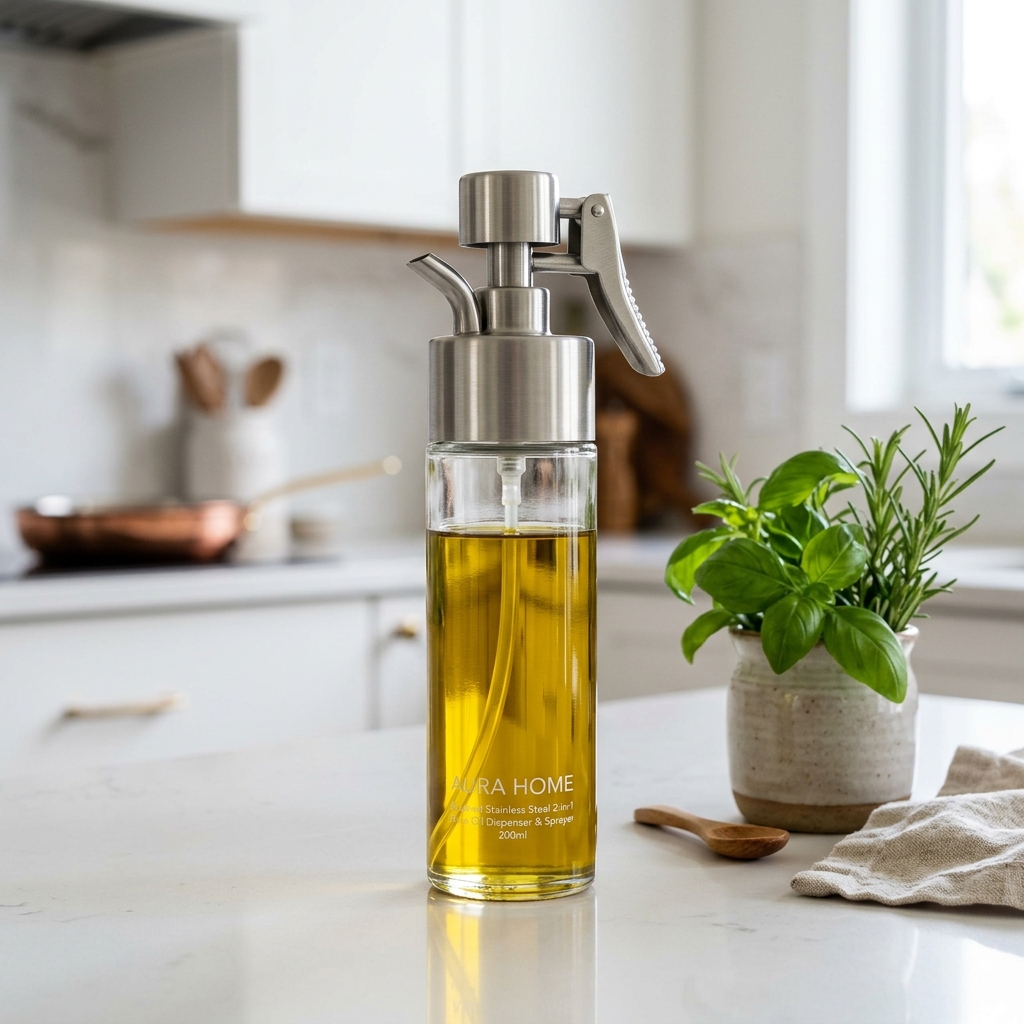
Eliminate chemical aerosol cooking spray cans. This 2-in-1 glass bottle lets you switch between a fine fan mist for air fryers and salad pans, or a steady pour for skillet cooking.
Pro tip: Add to Cart on Amazon to secure today's sale price!
Who Is This NOT For?
Skip baking soda restoration if your ceramic pan has deep physical scratches or chipped metal substrate exposing raw aluminum beneath the mineral layer.
Avoid using coarse steel wool or abrasive green scouring pads on ceramic glazes, as harsh abrasives etch micro-scratches into mineral surfaces.
For a complete guide to caring for silica minerals, read our Ceramic, Granite & Stone Cookware Guide.
Expert Answers & Material Science Q&A
Why did my ceramic nonstick pan start sticking after a few months?
Sticking is caused by burnt, polymerized oil fats filling microscopic pores in the mineral silica glaze. Deep cleaning removes carbon buildup to restore nonstick release.
Can you use Bar Keepers Friend on ceramic nonstick pans?
Use Bar Keepers Friend gently on the stainless steel exterior base, but stick to soft baking soda pastes on the interior ceramic glaze to prevent etching.
Does aerosol cooking spray ruin ceramic cookware?
Yes, chemical propellants and soy lecithin in aerosol cans bake onto mineral glazes at low heat, creating a stubborn sticky film.
Can thermal shock ruin ceramic cookware?
Yes, placing a hot pan into cold water causes rapid thermal contraction, cracking delicate mineral glazes.


